

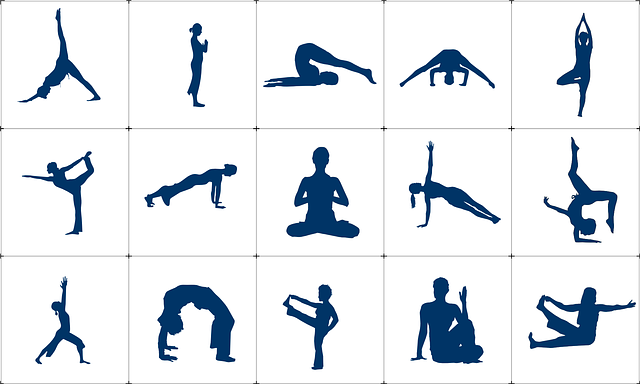
 Many people today are seeking realistic, sustainable ways to improve their health, confidence, and body image. Instead of focusing only on extreme workouts or quick cosmetic fixes, more individuals are combining wellness habits with modern beauty treatments.
One growing combination is yoga and non-surgical fat reduction. At first, these approaches may seem very different. Yoga is often associated with mindfulness, flexibility, and stress management, while non-surgical fat reduction treatments focus on body contouring and aesthetic improvement.
What Is Non-Surgical Fat Reduction?
Non-surgical fat reduction refers to cosmetic treatments that reduce stubborn fat without surgery. Unlike liposuction, these procedures usually involve little to no downtime and do not require major incisions or lengthy recovery periods. Common non-surgical fat reduction treatments offered by beauty and wellness clinics include:
- Cryolipolysis (fat freezing)
- Radiofrequency body contouring
- Laser fat reduction
- Ultrasound-based treatments
- Muscle-toning technologies
These procedures are often used to target areas that may not respond easily to diet and exercise alone, such as:
- Abdomen
- Thighs
- Arms
- Flanks
- Under the chin
It is important to understand that non-surgical fat reduction is not a weight loss solution. Most beauty providers describe these services as body-contouring treatments designed to refine shape and improve body confidence. Results are usually gradual and vary from person to person.
The Wellness Benefits of Yoga
While yoga may support weight management for some individuals, its benefits extend far beyond calorie burning. Regular yoga practice may help improve:
- Flexibility
- Balance
- Core strength
- Stress management
- Sleep quality
- Posture
- Mind-body awareness
Many people also use yoga to support emotional wellness and reduce stress-related habits that can affect overall health. Stress can influence eating patterns, sleep quality, and energy levels.
By encouraging relaxation and mindfulness, yoga may help individuals maintain healthier routines over time. This is one reason many wellness-focused beauty companies now include yoga, meditation, or holistic wellness services alongside aesthetic treatments.
How Yoga and Fat Reduction Treatments Can Complement Each Other
Yoga and non-surgical fat reduction serve different purposes, but they can support similar long-term goals. Many clients seek both physical wellness and increased confidence.
Non-surgical body contouring treatments may help address stubborn areas that remain resistant despite healthy lifestyle habits.
At the same time, yoga supports overall physical health and sustainable wellness routines.
Together, these approaches may help clients feel:
- More motivated
- More confident
- More connected to their bodies
- More consistent with self-care habits
For example, someone who already practices yoga regularly may choose body contouring treatments to target specific areas that have not changed despite regular exercise.
Likewise, individuals who begin aesthetic treatments may become more motivated to maintain healthy habits through activities like yoga. The combination often works best when treatments are viewed as part of a balanced wellness plan rather than a shortcut.
Stress Management and Body Confidence
One important connection between yoga and beauty services is stress management. Long-term stress can impact both physical and emotional health in several ways, including:
- Increased fatigue
- Poor sleep
- Hormonal imbalance
- Emotional eating
- Reduced motivation
Yoga encourages relaxation and mindfulness, which may support healthier lifestyle choices. Many medical spas now recognize the link between emotional well-being, appearance, and confidence. Clients who feel less stressed often report improvements in:
- Energy levels
- Skin appearance
- Mood
- Daily self-care habits
When combined with non-surgical aesthetic services, yoga may help create a more balanced approach to wellness. Rather than focusing only on appearance, clients are encouraged to care for both physical and mental well-being.
The Importance of Realistic Expectations
Although yoga and body contouring can complement each other, it is important to maintain realistic expectations. Yoga alone does not specifically remove fat from targeted areas. Likewise, non-surgical fat reduction treatments are not substitutes for healthy habits. Beauty and wellness professionals often emphasize that the best results usually come from combining treatments with:
- Regular physical activity
- Balanced nutrition
- Hydration
- Sleep
- Stress management
Non-surgical procedures may help improve body contours, but maintaining results still depends heavily on overall lifestyle choices. Clients who approach treatments with a wellness mindset often experience more sustainable long-term outcomes.
Recovery and Wellness Support
Many non-surgical fat reduction treatments involve minimal downtime, but wellness practices like yoga may still support recovery. Gentle movement and stretching may help some individuals feel more comfortable after certain body contouring procedures.
However, beauty professionals typically recommend avoiding intense physical activity immediately after treatment, depending on the procedure used. Once approved by the provider, many clients gradually return to yoga and other wellness activities.
The calming nature of yoga may also help support relaxation during the treatment process.
Many modern med spas now create environments that combine aesthetics with wellness-centered experiences. This shift reflects growing client interest in treatments that support overall balance rather than appearance alone.
A More Holistic Approach to Beauty
The beauty industry has changed significantly in recent years. More companies now promote holistic wellness instead of extreme beauty standards. This means encouraging habits that support:
- Physical health
- Emotional well-being
- Stress reduction
- Sustainable self-care
- Realistic body confidence
Yoga fits naturally into this approach because it focuses on long-term wellness rather than quick results. When combined with responsible aesthetic treatments, clients may feel more empowered to care for themselves in a balanced way. Many wellness-focused beauty clinics now offer services that combine body contouring with:
- Nutritional guidance
- Wellness consultations
- Fitness support
- Recovery therapies
- Relaxation treatments
This more complete model appeals to clients seeking healthy, manageable lifestyle support.
Choosing the Right Provider
Anyone considering non-surgical fat reduction should work with qualified and experienced professionals. A reputable beauty or wellness clinic should provide:
- Personalized consultations
- Realistic expectations
- Clear treatment plans
- Safe procedures
- Honest recommendations
Clients should also discuss their wellness routines, including yoga or fitness practices, to help providers recommend the most appropriate treatment schedule. The best outcomes usually come from individualized care rather than one-size-fits-all approaches.
Final Thoughts
Yoga and non-surgical fat reduction can work well together when approached with realistic expectations and a focus on overall wellness. While yoga supports flexibility, stress management, and healthy lifestyle habits, non-surgical body contouring treatments may help refine stubborn areas that do not always respond to exercise alone.
Together, these approaches can encourage greater confidence, consistency, and self-care. As beauty and wellness companies continue shifting toward more holistic services, many clients are choosing balanced routines that combine wellness practices with non-invasive aesthetic treatments. The goal is no longer perfection. Instead, more people are focusing on feeling healthier, more comfortable, and more confident in a sustainable

 Anabolic steroids are often linked to muscle growth, strength, and performance enhancement, while yoga is associated with flexibility, mindfulness, and recovery. At first glance, these two seem like complete opposites. But can they actually complement each other in a fitness routine?
 Yoga has long been celebrated for its ability to promote physical health, mental clarity, and emotional balance. As practitioners seek ways to enhance their yoga experience, the spotlight turns to supplements supporting energy levels and recovery. One such supplement is Nicotinamide Mononucleotide (NMN), which plays a crucial role in cellular energy production. Understanding how NMN can enhance stamina and recovery is vital for those committed to their yoga practice and overall wellness.

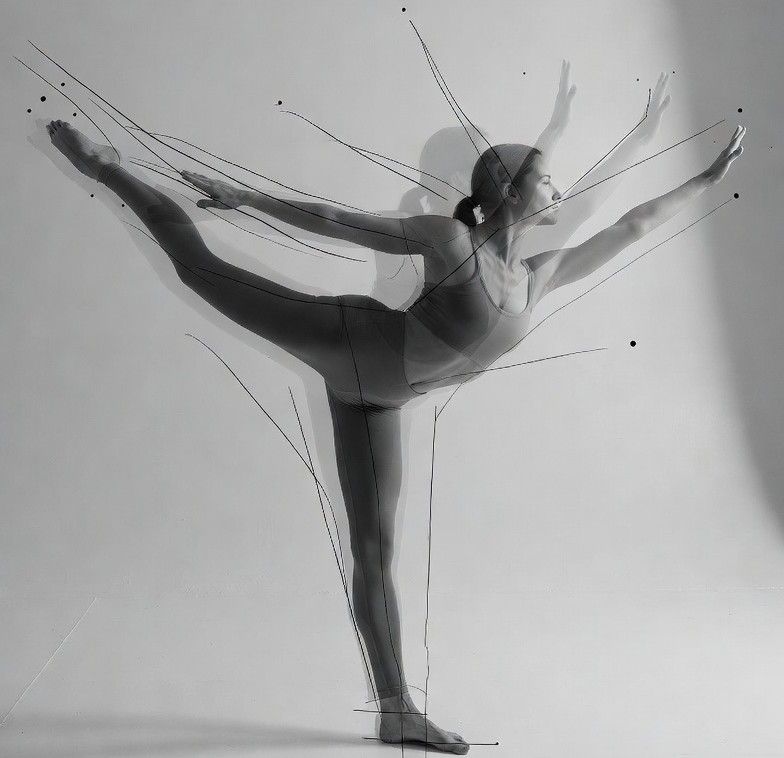 Strong, flexible bodies don’t always come from slow movement alone. According to the American Council on Exercise, combining stability and strength training improves overall balance and reduces injury risk. Yet many yoga practitioners find themselves stuck, stretching deeper but not necessarily feeling stronger or more stable. That’s where a surprising crossover begins.
 Opioid addiction recovery demands a blend of medical treatment and lifestyle changes. Suboxone, a medication combining buprenorphine and naloxone, helps manage withdrawal symptoms and cravings. Yet, true healing often requires more than medicine alone. Yoga, with its focus on mindful movement and breath, offers a powerful complement to Suboxone-based treatment. This holistic approach nurtures both body and mind, fostering resilience during recovery.
 For centuries, people have turned to yoga to strengthen their mind-body connection. Yoga is well known for increasing flexibility, promoting relaxation, and encouraging mindfulness. Now, sexual wellness tools like vibrators are joining the mix to deepen that connection, allowing individuals to foster a more intimate relationship with their own bodies. Integrating both yoga and vibrators can create a powerful synergy, helping people achieve heightened awareness and relaxation.
 Did you know that practicing yoga might be a way to improve your dental health? By

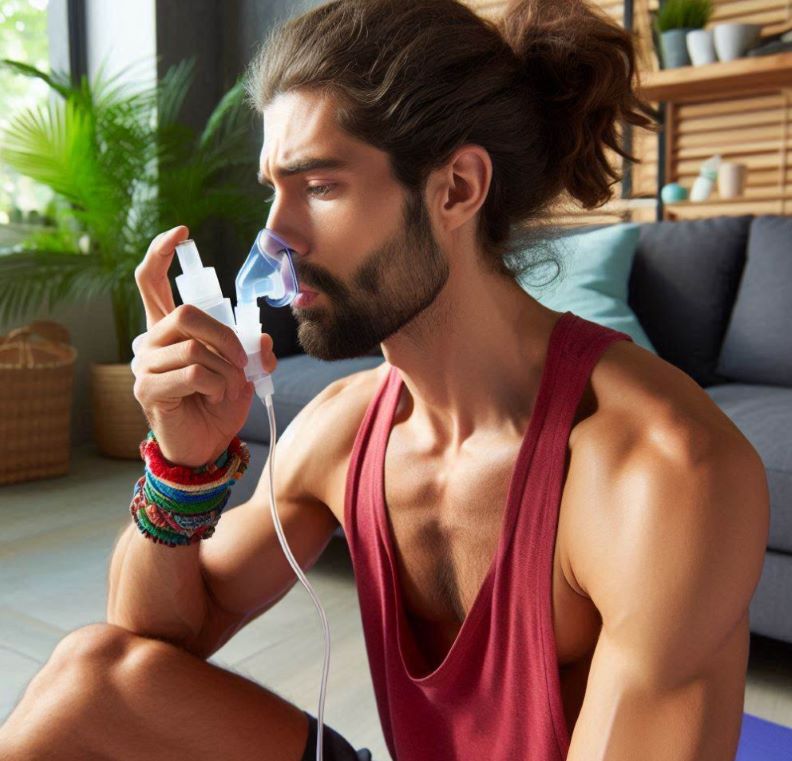





 Through the years, numerous studies arrived at conclusions that aside from practising good oral hygiene and periodically visiting the dentist, getting into yoga can also help.
 Engaging in at least 20 minutes of yoga stretching and





 Many psychology experts do not reject the idea of combining steroid use when engaging for hours in strenuous physical activities and stretches of
  Still, some who have shown interests in steroid use should have awareness that most of the products available in online stores are synthetic steroids. These are generally man-made medications that sell legally only if supported by a medical prescription.
  We all know that Vit. D nutrients are not as easy to source if to support bone health. Still, some synthetic steroid manufacturers sell Vitamin D as
  Health and fitness experts say that we can manipulate metabolism by strengthening and stimulating the endocrine system. Practicing yoga in addition to engaging in exercise and other forms of physical activities are popular suggestions.
 The Adrenal Glands – The endocrine system also produces hormones in the adrenal glands located in the kidney. In addition to metabolism, adrenal hormones are also concerned with regulating blood pressure and the body’s reactions to stress.
 In nearly all kinds of religion, a devotee may shave his or head as a rite of passage to become a monk, a nun or a bhakti, as the act denotes renunciation. Religious historians share the same belief that head shaving is an act signifying one’s commitment to turn away from all things worldly and material. Today, head shaving has more benefits and uses other than to signify devotion to a religion.
 Proponents of
  Since shaving is one that a person can do on one’s own, people who need to save money can do so by investing in the right head shaving equipment. What we recommend is to check out product information and reviews. While shaving can be a do-it-yourself kind of task, don’t make it obvious. Use the right shaving equipment as there are now modern electric shavers, clippers and trimmers designed and developed especially for head shaving.

