

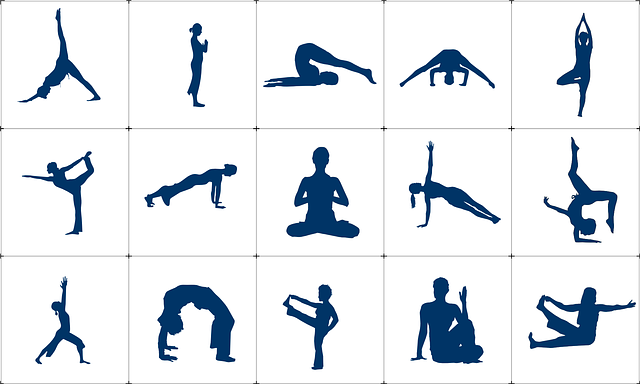
Chronic stress now affects roughly 77% of adults in the United States to the point of physical symptoms, according to The American Institute of Stress. Fatigue, poor sleep, brain fog, and persistent low energy have become so common that many people simply accept them as part of modern life. They shouldn’t have to. When these issues go unaddressed, they often escalate into more serious conditions, including metabolic disorders, cardiovascular disease, and burnout. The good news is that a structured, step-by-step approach combining movement, lifestyle monitoring, and individualized medical insight can meaningfully reverse these patterns. Resources like functional testing and concierge medicine in Scarsdale have demonstrated that true wellness requires going beyond symptom management to understand what is actually happening inside the body.

Common Challenges: Stress, Fatigue, and Lifestyle-Related Health Concerns
Most people struggling with chronic fatigue or stress-related symptoms never receive a clear explanation for what they are experiencing. Standard annual checkups rarely dig deep enough. Blood panels may appear “normal” while a person still feels exhausted, anxious, or mentally scattered. Research published by the American Psychological Association consistently links long-term psychological stress to increased inflammation, immune suppression, and hormonal dysregulation, none of which a basic cholesterol test will catch.
Lifestyle factors compound the problem. Sedentary routines, disrupted sleep schedules, poor dietary patterns, and limited recovery time all accelerate physical and cognitive decline. Without a coherent strategy to address each of these layers, people often cycle through temporary fixes (a new supplement, a crash diet, a fitness app) without ever building lasting change. What is needed is a framework that integrates mind, body, and medical insight from the start.
Step 1: Establishing a Consistent Yoga and Movement Routine
Movement is the foundation. Yoga, in particular, has an unusually strong evidence base for stress reduction. A review in the Journal of Clinical Psychology found that regular yoga practice significantly reduces cortisol levels, the body’s primary stress hormone, while improving mood, flexibility, and parasympathetic nervous system activity. The parasympathetic system governs rest and recovery, and most chronically stressed individuals spend far too little time in this state.
Starting a yoga routine does not require advanced skills or long sessions. Three to four sessions per week, ranging from 20 to 45 minutes, is enough to produce measurable physiological change within six to eight weeks. Prioritize styles that combine breathwork with movement. Hatha, Vinyasa, and Yin are all well-suited for stress management purposes. The breath component matters as much as the physical postures. Slow, controlled breathing directly activates the vagus nerve, which regulates heart rate variability and emotional regulation.
Complementing yoga with walking, swimming, or resistance training two to three times per week further amplifies results. The World Health Organization recommends at least 150 minutes of moderate-intensity activity per week for adults, noting consistent links between physical activity and reduced rates of depression, anxiety, and chronic disease.
Step 2: Monitoring Sleep, Recovery, and Stress Levels
Movement without recovery is incomplete. Sleep quality is arguably the single most influential variable in long-term health, yet it is the most frequently neglected. Data from the Centers for Disease Control and Prevention indicates that more than one-third of American adults regularly sleep fewer than seven hours per night, which falls below the threshold associated with optimal cognitive and metabolic function.
Tracking sleep goes beyond counting hours. Tools such as wearable fitness monitors or sleep-specific devices can measure sleep stages, resting heart rate, and heart rate variability. These metrics offer a more accurate picture of how well the body is recovering from daily stress. A declining heart rate variability trend, for instance, often signals accumulated physiological stress before the person feels overtly unwell.
Stress monitoring apps and guided breathwork programs can also help identify patterns. Keeping a brief daily log of energy, mood, and sleep quality takes only a few minutes but builds a meaningful dataset over weeks. That data becomes especially useful in clinical conversations, helping practitioners identify root causes rather than guessing at them.
Step 3: Evaluating Personalized Health Metrics Through Professional Assessments
Once consistent movement and recovery habits are in place, the next step is a thorough professional health evaluation. Standard care often misses subclinical imbalances, conditions that exist on a spectrum before they meet the diagnostic threshold for a formal disease label. These include thyroid dysfunction, cortisol dysregulation, nutrient deficiencies, gut microbiome disruptions, and hormonal imbalances.
Personalized assessments go further than routine labs. A comprehensive approach may include advanced cardiovascular markers, inflammatory biomarkers such as hs-CRP, hormone panels, and micronutrient analysis. The Institute for Functional Medicine emphasizes that these deeper evaluations are often the missing piece for patients who feel chronically unwell despite “normal” standard test results. When practitioners have this richer picture, they can create interventions that are specific, targeted, and far more effective.
Working with a physician who takes time to understand your complete health history, including lifestyle, environment, genetics, and goals, transforms the quality of guidance you receive. This is the premise behind personalized and concierge-style medicine: that time, thoroughness, and individualization are not luxuries but clinical necessities.
Step 4: Understanding the Role of Functional Testing and Personalized Medicine as Part of Comprehensive Wellness Planning
This is where the wellness strategy becomes truly individualized. Functional medicine uses advanced diagnostics to examine how organ systems are working together, not in isolation. It asks why a symptom is occurring, not just what to call it. A patient with persistent fatigue, for example, might have an underlying cortisol imbalance, a mitochondrial efficiency problem, or a gut permeability issue. Each of these represents a very different root cause that would require a different intervention.
Concierge medicine enhances this model by offering accessible, ongoing relationships with physicians who can monitor changes over time. Rather than reactive care, patients receive proactive guidance. Lifestyle adjustments are made based on real data rather than generic recommendations. According to The American Academy of Family Physicians, this model of sustained, personalized physician-patient engagement has been associated with better health outcomes, higher patient satisfaction, and more efficient use of specialist referrals.
Integrating functional diagnostics with the movement and recovery habits established in earlier steps creates a feedback loop. You build better habits, track their impact, refine them with clinical insight, and continue improving. Each element reinforces the others.
READ ALSO: How Yoga Supports Mental Health: Poses and Practices for a Calmer Mind
Creating a Sustainable Long-Term Mind-Body Health Strategy
Sustainability is the hardest part of any wellness plan. Research from University College London found that new habits take an average of 66 days to become automatic, not the often-cited 21 days. This means early consistency matters more than early perfection. Missing a yoga session or a poor night of sleep is not a failure; it is data.
A long-term strategy should have three anchors: a movement practice that feels enjoyable enough to maintain, a recovery routine that protects sleep and downtime, and a medical partnership that provides individualized oversight. These pillars work together. Yoga reduces cortisol. Better sleep improves hormonal balance. Personalized clinical assessments ensure that any emerging imbalances are caught and addressed early, before they become chronic problems.
Mind-body health is not a destination but an ongoing process of calibration. The combination of evidence-based movement practices, honest self-monitoring, and access to thorough, individualized medical care gives people the clearest possible path toward lasting wellness. It replaces guesswork with insight and short-term fixes with a strategy built to last.
 Many people today are seeking realistic, sustainable ways to improve their health, confidence, and body image. Instead of focusing only on extreme workouts or quick cosmetic fixes, more individuals are combining wellness habits with modern beauty treatments.
 Anabolic steroids are often linked to muscle growth, strength, and performance enhancement, while yoga is associated with flexibility, mindfulness, and recovery. At first glance, these two seem like complete opposites. But can they actually complement each other in a fitness routine?
 Yoga has long been celebrated for its ability to promote physical health, mental clarity, and emotional balance. As practitioners seek ways to enhance their yoga experience, the spotlight turns to supplements supporting energy levels and recovery. One such supplement is Nicotinamide Mononucleotide (NMN), which plays a crucial role in cellular energy production. Understanding how NMN can enhance stamina and recovery is vital for those committed to their yoga practice and overall wellness.

 Strong, flexible bodies don’t always come from slow movement alone. According to the American Council on Exercise, combining stability and strength training improves overall balance and reduces injury risk. Yet many yoga practitioners find themselves stuck, stretching deeper but not necessarily feeling stronger or more stable. That’s where a surprising crossover begins.
 Opioid addiction recovery demands a blend of medical treatment and lifestyle changes. Suboxone, a medication combining buprenorphine and naloxone, helps manage withdrawal symptoms and cravings. Yet, true healing often requires more than medicine alone. Yoga, with its focus on mindful movement and breath, offers a powerful complement to Suboxone-based treatment. This holistic approach nurtures both body and mind, fostering resilience during recovery.
 For centuries, people have turned to yoga to strengthen their mind-body connection. Yoga is well known for increasing flexibility, promoting relaxation, and encouraging mindfulness. Now, sexual wellness tools like vibrators are joining the mix to deepen that connection, allowing individuals to foster a more intimate relationship with their own bodies. Integrating both yoga and vibrators can create a powerful synergy, helping people achieve heightened awareness and relaxation.
 Did you know that practicing yoga might be a way to improve your dental health? By






 Through the years, numerous studies arrived at conclusions that aside from practising good oral hygiene and periodically visiting the dentist, getting into yoga can also help.
 Engaging in at least 20 minutes of yoga stretching and





 Many psychology experts do not reject the idea of combining steroid use when engaging for hours in strenuous physical activities and stretches of
  Still, some who have shown interests in steroid use should have awareness that most of the products available in online stores are synthetic steroids. These are generally man-made medications that sell legally only if supported by a medical prescription.
  We all know that Vit. D nutrients are not as easy to source if to support bone health. Still, some synthetic steroid manufacturers sell Vitamin D as
  Health and fitness experts say that we can manipulate metabolism by strengthening and stimulating the endocrine system. Practicing yoga in addition to engaging in exercise and other forms of physical activities are popular suggestions.
 The Adrenal Glands – The endocrine system also produces hormones in the adrenal glands located in the kidney. In addition to metabolism, adrenal hormones are also concerned with regulating blood pressure and the body’s reactions to stress.
 In nearly all kinds of religion, a devotee may shave his or head as a rite of passage to become a monk, a nun or a bhakti, as the act denotes renunciation. Religious historians share the same belief that head shaving is an act signifying one’s commitment to turn away from all things worldly and material. Today, head shaving has more benefits and uses other than to signify devotion to a religion.
 Proponents of
  Since shaving is one that a person can do on one’s own, people who need to save money can do so by investing in the right head shaving equipment. What we recommend is to check out product information and reviews. While shaving can be a do-it-yourself kind of task, don’t make it obvious. Use the right shaving equipment as there are now modern electric shavers, clippers and trimmers designed and developed especially for head shaving.
